New Age Barefoot Architecture
When the built environment itself is for sale, do we turn to our roots for redefining our aesthetics? Here is where 'vernacular' comes into play
By Ar. Vyshnavi
The Need to Redefine ‘Vernacular’
Etymologically, "vernacular" refers to the regional slang of a town or a limited area.
It is what a language becomes once it settles into everyday use - closer to people's hearts than formal language, because it conveys emotion and feeling more naturally.
Vernacular architecture, as taught formally, is defined the same way: a method of construction that best serves the immediate, local needs of shelter-making. Globally, the term was coined in the 1800s, and entered the Indian context in the colonial era, when British administrators and scholars first began categorizing unpedigreed and indigenous traditions across the subcontinent. It was strongly rooted in the rural context and its beauty came from use of locally available materials, and incorporation of regional traditions and cultural practices. This was architecture that went beyond any art or architecture movements - it gave a town, a region, and eventually a country, its identity. Asia produced some of the most recognisable examples: the sloping roofs with upturned eaves of China and Indonesia, the massive circular rammed-earth houses of Japan and parts of India, and the stilted bamboo-and-palm-leaf huts found across the region.
With the wave of 19th-century globalisation and the rise of the International Style, vernacular architecture became the outlier. It came to be defined specifically as buildings made outside any academic tradition, without architects or engineers involved - a distinction that sharpened further with the rise of concrete construction.
Six decades later, the meaning of "vernacular architecture" still hasn't been updated. In architecture schools, the vernacular chapter still transports students back in time, rooting the term firmly in a rural context. It should, by now, be taught as part of architectural history - alongside shikharas, pagodas, and Gothic arches - because according to the market trends, building with stone and rammed earth belongs to the past. Vernacular today means concrete, and concrete alone. It has become a marker of prestige and class within rural communities, obliterating any chance for retention of indigenous building materials.
Hence, what does barefoot architecture look like today? Should it still be defined within a rural context, or does it now need a multi-tier explanation? This question matters especially in developing nations, where both cities and towns have entire functioning parallel construction sectors. These operate without professional standards, now carrying only speed and margin, where once informal buildings used to carry deep embedded knowledge of materials and climate. Minimal use of energy and resources, buildings integrated with their surroundings, and construction that reflected the identity and culture of the people is a thing of the past. Today's parallel-sector buildings don't come close to that standard. Technologies like HVAC, for instance, should support natural ventilation - instead, they're used as shortcuts. There's no insulation, no double-jaali construction, no simple thick walls to keep out the heat, nothing. The goal is simply to extract maximum profit from every square inch the FSI allows.
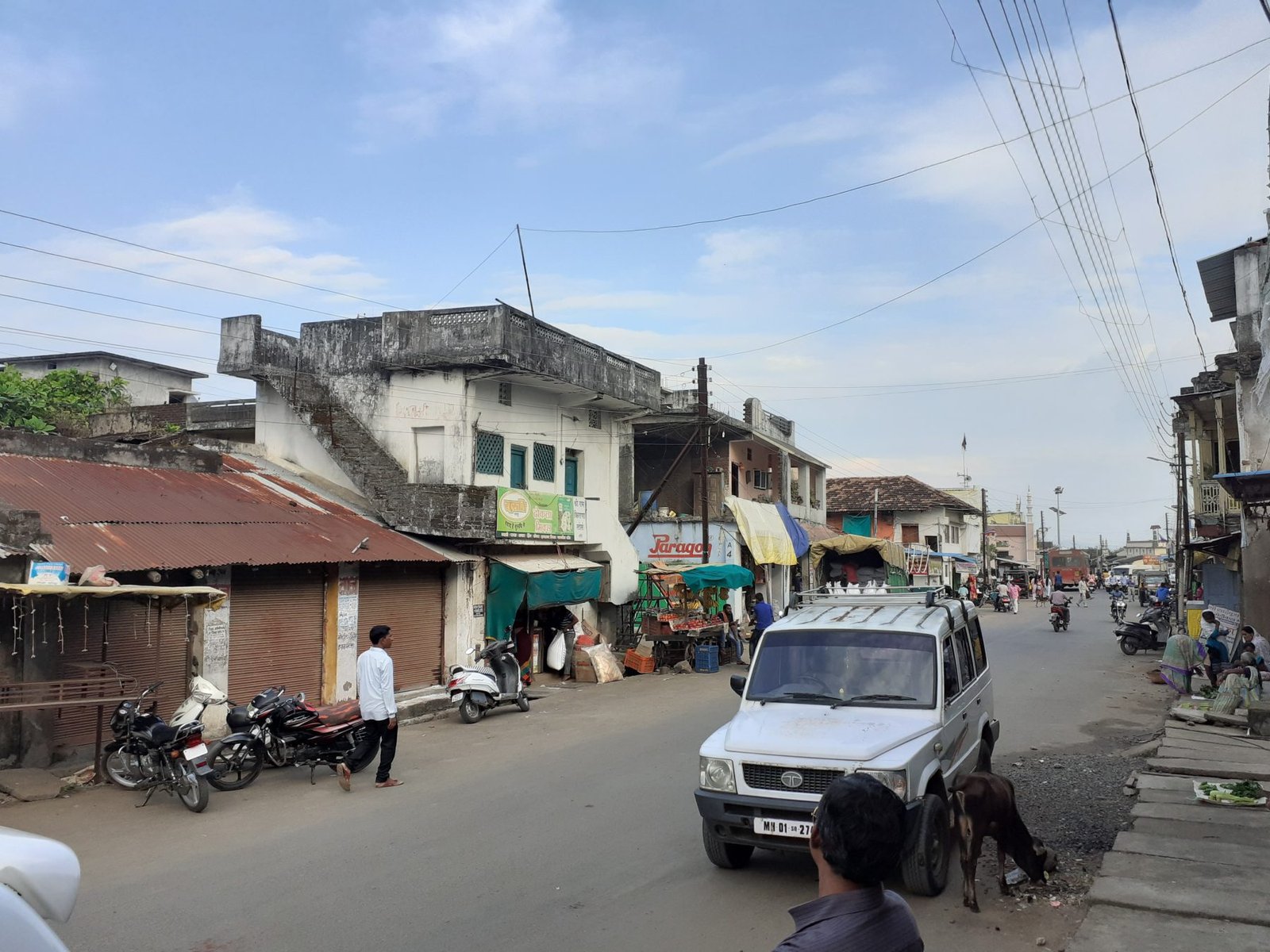
Therefore, the uncomfortable truth is that vernacular today means concrete-heavy construction driven by builders and contractors. In cities, this "non-style" at least blends in, however haphazardly, with the broader global aesthetic - helped along by capital moving too fast to rein in. But in rural areas, users bear the brunt of this trend. A building there may carry prestige and class value, but this depreciates over time and contributes nothing to the place it occupies. It doesn't blend into its environment, doesn't add to the street or the neighbourhood's character, and carries no sense of regional identity. It exists as a standalone transaction, never as an act of placemaking - let alone a healthy environment for the people who use it. Countries once celebrated for community living and sustainable building practices now has towns lined with dusty, dissonant roads and empty communal spaces, where people live inside concrete shells instead of breathing, living structures surrounded by green space.
Barefoot architecture once simply meant building one's own home. That's no longer true. Design decisions are now stripped of context in the name of profit margins. Materials native to a region have been forgotten or abandoned, often dismissed as "hard to maintain." The result is hasty execution and poor quality control: peeling, poorly moulded concrete walls, unaesthetic building exteriors, and services that are either missing or improvised. Neither traditional systems nor modern alternatives are implemented properly.
If we think of architectural styles as languages, today's construction resembles English - a global language that crosses geographical boundaries, but often at the cost of local identity.
As of 2025, a UN-Habitat study found that 70% of existing housing in developing countries worldwide is built informally, without proper standards or professional involvement. But on the other hand, India's construction market generated USD 685 billion in 2025 and is projected to reach USD 1,245.7 billion by 2034. A word that once described modest, local, need-based building now sits inside a multi-billion dollar industry.
A complete shutdown of the unorganised construction sector seems impossible in today's market. But in an ecosystem where even NGO-led, local-mason-built projects have won international architecture awards, skilled craftspeople deserve real support. They shouldn't remain dependent on middlemen - builders and contractors. Developed nations reward service-industry workers; in India, the same workers are too often pushed toward poverty.
This particular ecosystem requires more support in the form of government educational cells and NGOs. Its core must be to protect site workers and elevate their status to knowledge bearers, while simultaneously disbursing public awareness on how to genuinely value their work.
On a regulatory note, short diploma courses are needed for persons aspiring to build for sale, working in conjunction with clear policies at different governance tiers to ensure buildings are sustainably built.
This blog must conclude itself with a few important questions for its precious readers: who decides what counts as competent building, when the built environment itself is for sale? Does placemaking still mean anything - or is our world simply moving toward a competition over which building looks the most generic?